


A Potential End To The U.S.-Iran Conflict
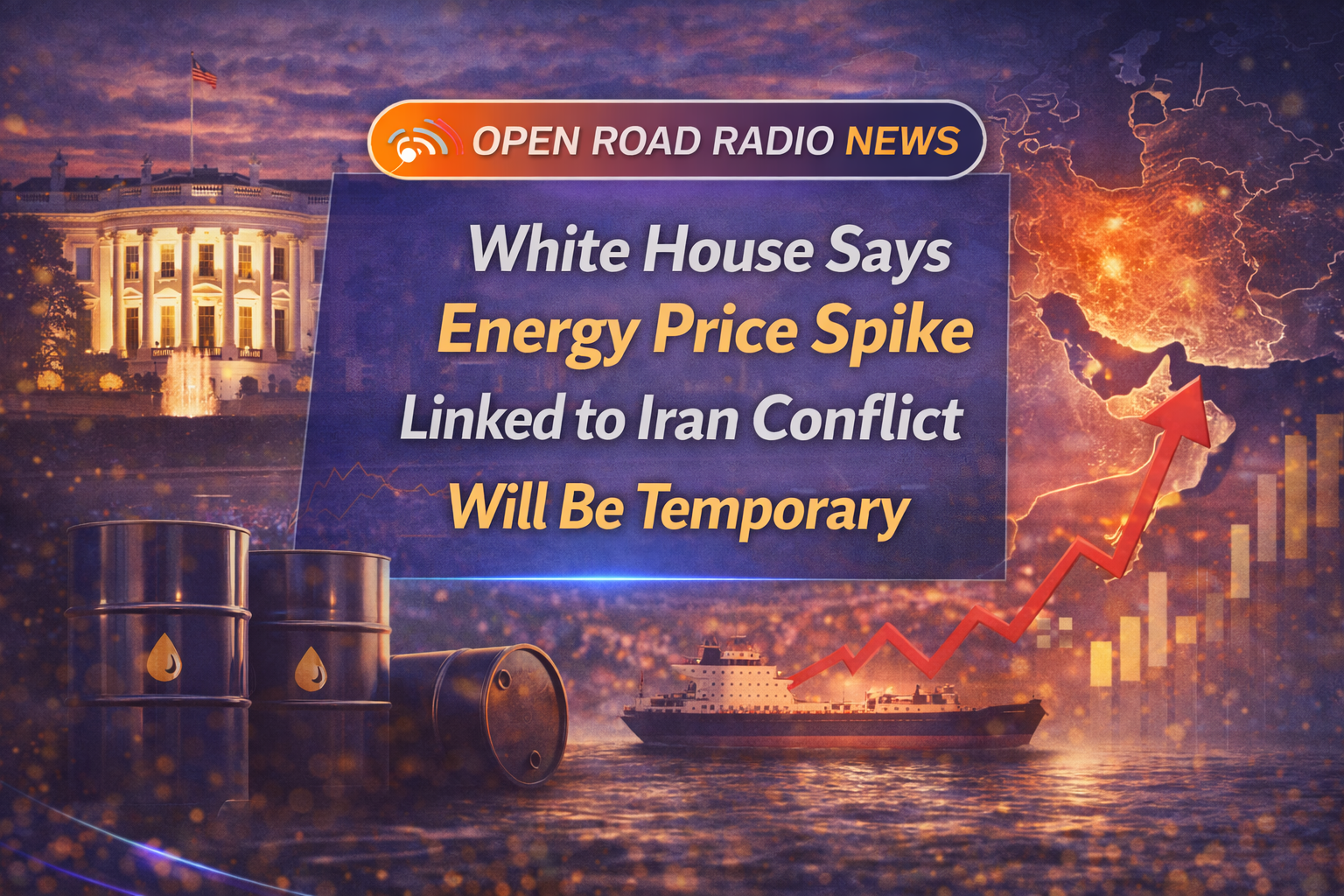
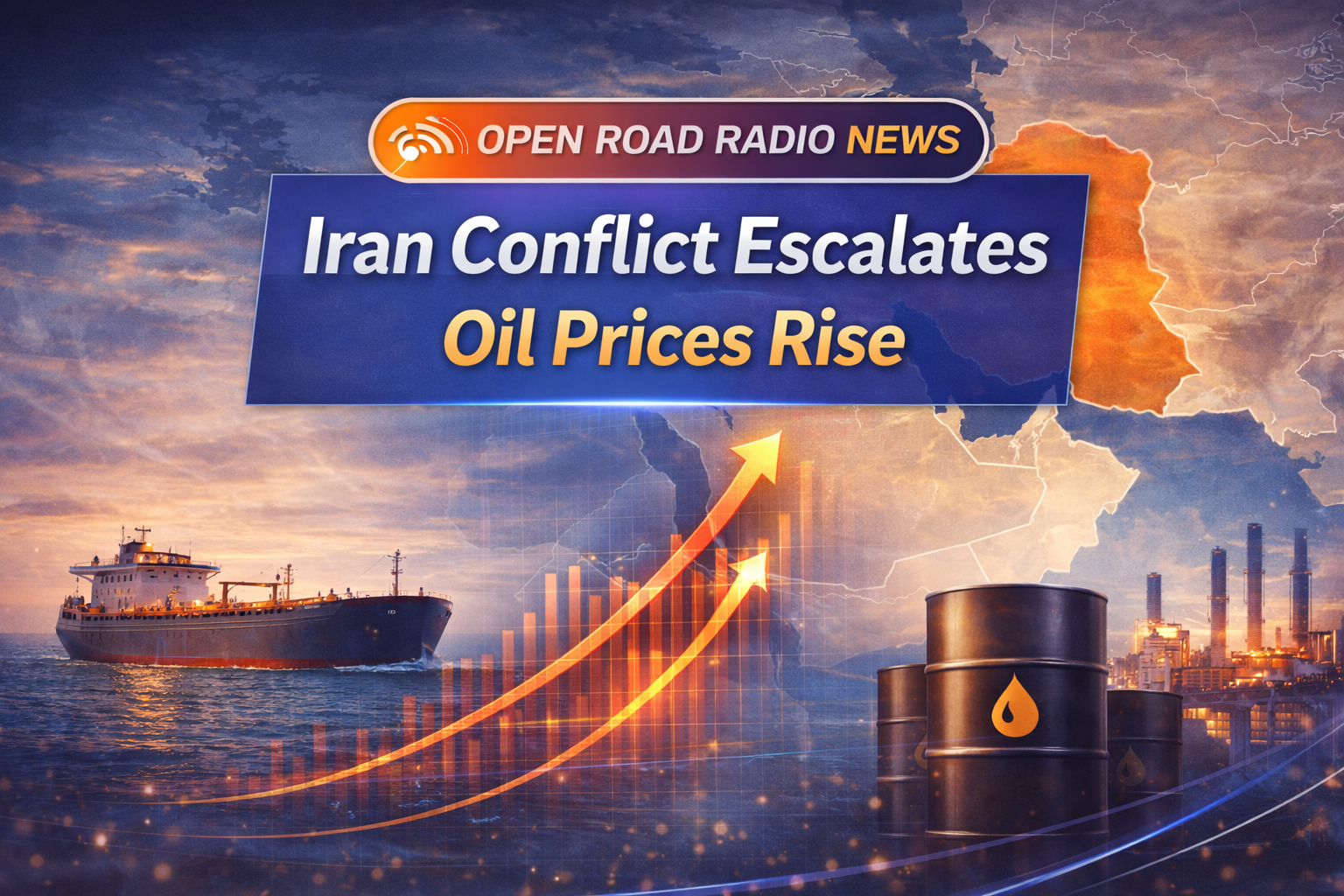
The G7 leaders are meeting in person for the first time since the U.S.-Iran conflict began more than three months ago, a crisis that has contributed to higher fuel and energy prices worldwide.
On the eve of the summit, President Donald Trump announced an agreement aimed at ending the conflict, authorizing the lifting of the U.S. naval blockade affecting Iranian ports and supporting the reopening of the Strait of Hormuz — the narrow waterway through which roughly one-fifth of the world's oil supply normally passes.
The agreement is expected to be formally signed in Geneva later this week. Iranian officials have indicated that restrictions affecting traffic through the strait will remain in place until the agreement is finalized.
World leaders, including representatives of the European Union, have welcomed the development and called for the full restoration of commercial shipping through the region.
If the agreement holds, the practical effect could be a gradual easing of global energy prices — a factor that touches nearly every part of Detroit's economy, from manufacturing costs to the price commuters pay at the pump.
Why This Matters Locally
Detroit's automakers may not produce oil, but they consume enormous amounts of energy throughout their operations.
Fuel costs influence everything from parts transportation and logistics to the operation of assembly plants and the delivery of finished vehicles to dealerships across North America.
For a region where auto production runs on tight margins and highly integrated supply chains, even modest changes in energy prices can have meaningful consequences.
Fifteen weeks of elevated energy costs have been a quiet but persistent challenge for an industry already navigating tariffs, electric vehicle transition costs, labor negotiations, and increasing global competition.
A credible de-escalation in the Middle East — even one that takes weeks to fully play out in energy markets — would remove one source of uncertainty facing Michigan manufacturers.
Trade Discussions Matter To Detroit
Beyond energy markets, international trade remains one of the most important issues for Detroit's economy.
Vehicles and automotive components move continuously across borders between the United States, Canada, and Mexico.
Detroit's manufacturing base depends on reliable trade relationships and efficient transportation networks.
Any discussions involving tariffs, industrial policy, supply chain security, or North American competitiveness could ultimately affect investment decisions and employment throughout Southeast Michigan.
Business leaders across the region will be watching closely for signals that emerge from the summit.
A Local Counterpart: The Gordie Howe Bridge
While world leaders address geopolitical risk and global economic stability, a major infrastructure transformation is taking place closer to home.
The Gordie Howe International Bridge, connecting Detroit and Windsor, is expected to open in the coming weeks after years of construction and billions of dollars in investment.
The bridge is projected to add significant capacity to one of North America's busiest trade corridors, helping move automotive parts, finished vehicles, and commercial goods more efficiently between Michigan and Ontario.
The project carries a total cost of more than $6 billion and is expected to support billions of dollars in annual cross-border commerce once fully operational.
As G7 leaders discuss economic competitiveness and supply chain resilience, Detroit is already investing heavily in strengthening its role as one of the continent's most important trade gateways.
Global Decisions, Local Consequences
For a city whose identity remains closely tied to manufacturing and the automotive industry, global stability is not an abstract concept.
It influences investment decisions, production schedules, supplier contracts, transportation costs, and ultimately jobs across the region.
Oil prices affect consumers filling their tanks. Trade policies influence hiring and expansion plans. Supply chain disruptions can impact everything from factory output to vehicle prices.
The connection between Detroit and the wider world has rarely been more visible.
Looking Ahead
The timing of this year's summit is particularly noteworthy.
World leaders are gathering just as a potential breakthrough in the U.S.-Iran conflict emerges and as one of Detroit's most important infrastructure projects nears completion.
Both developments carry implications for trade, energy, manufacturing, and long-term economic growth.
As leaders meet in France, Detroit's business community, manufacturers, suppliers, and workers will be paying close attention.
Because what happens at the G7 Summit does not stay at the G7 Summit.
For Detroit, global events often become local stories — and local jobs often depend on global decisions.
By The Numbers
- 20% of global oil shipments normally pass through the Strait of Hormuz
- 15 weeks of elevated geopolitical tensions affecting energy markets
- $1 trillion+ in annual U.S.-Canada trade
- $6+ billion invested in the Gordie Howe International Bridge project
- Thousands of Michigan jobs tied directly to international automotive trade
- Millions of vehicles produced annually across the Great Lakes manufacturing region





















































Comments (0)
No comments yet. Share the first perspective.
Sign in with a listener account to add a comment.