


Unresolved Tensions
Iran continues to exert influence through proxy groups across the region, while Israel maintains that Tehran's military capabilities pose an existential threat.
The United States keeps a significant military presence in the area to protect allies and secure vital shipping lanes.
Diplomatic efforts are ongoing, but analysts describe the current situation less as a resolution and more as a temporary pause in a long-running geopolitical struggle.
The core disputes that contributed to the crisis — including regional influence, military deterrence, and concerns surrounding Iran's nuclear ambitions — remain largely unchanged.
As a result, many observers caution that the conditions for future tensions still exist.
Impact On Energy Markets And American Households
The crisis had an immediate effect on global energy markets.
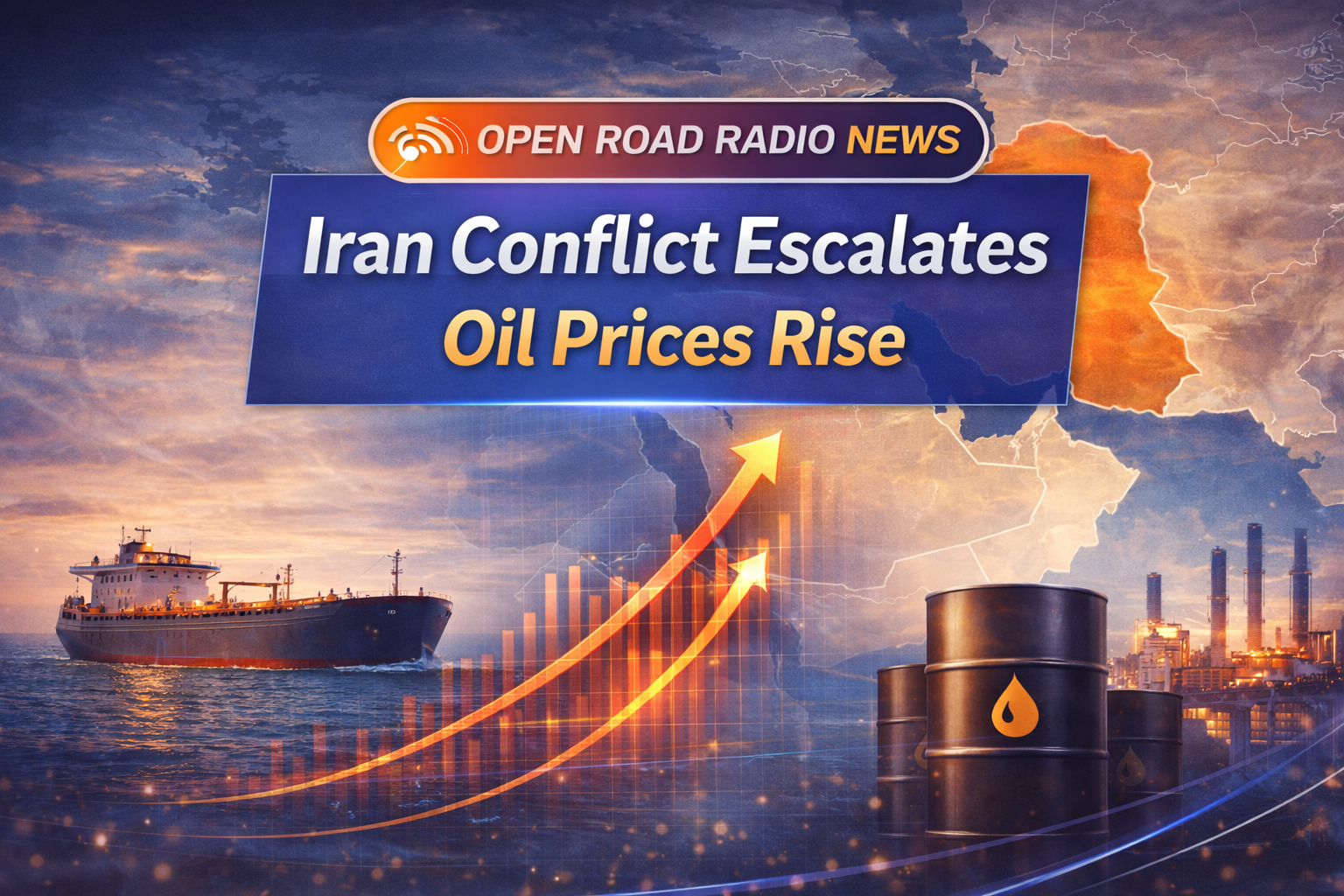
Concerns over possible disruptions in the Strait of Hormuz — through which roughly 20 percent of the world's oil passes — led to temporary spikes in oil prices.
Energy traders and governments closely monitored developments as any interruption to shipping traffic could have had significant consequences for global supply chains.
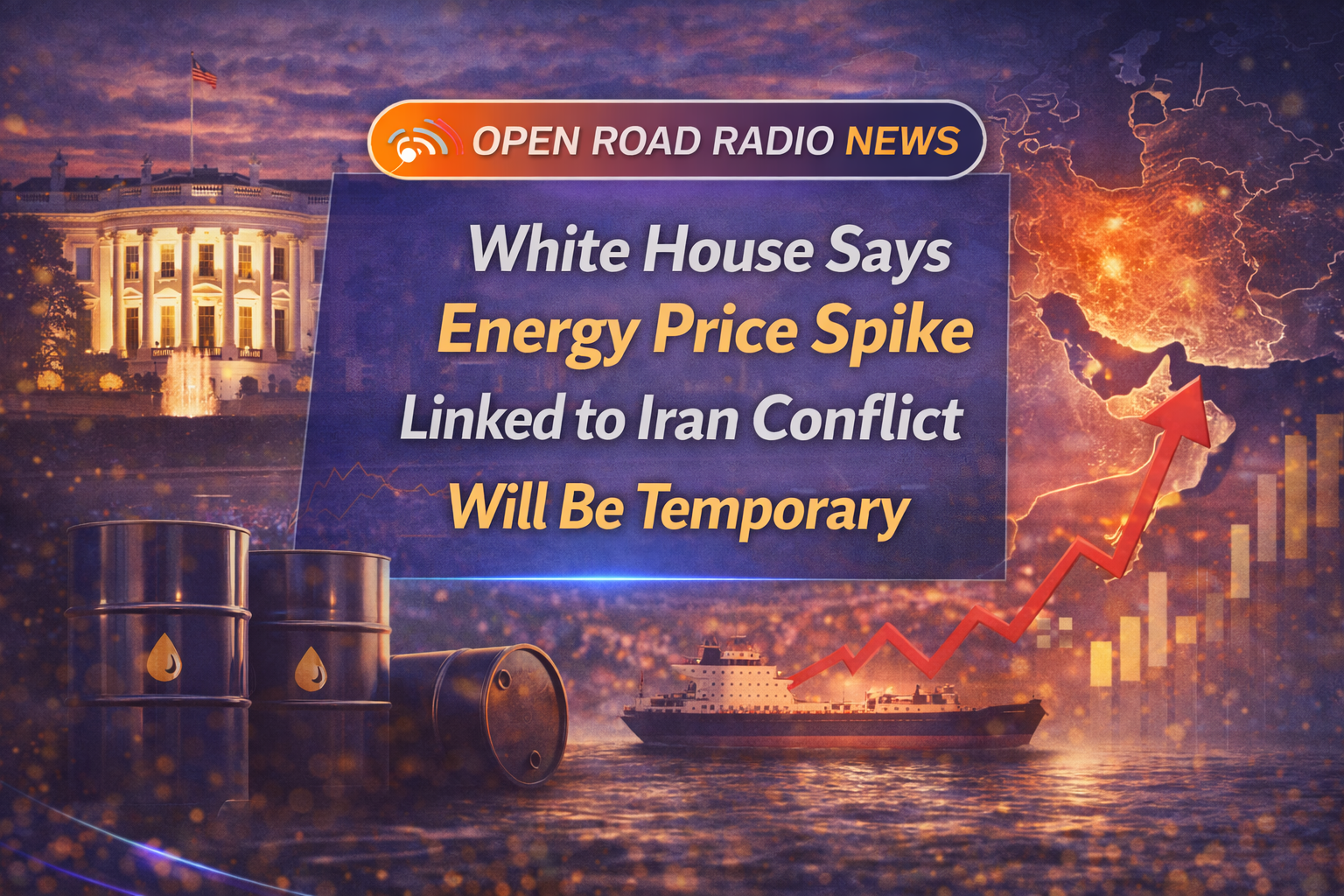
For American families, this translated into higher gasoline prices at the pump.
Although prices have since moderated, the volatility underscored how events thousands of miles away can directly affect household budgets.
Fuel costs influence everything from daily commuting expenses to airline tickets, shipping rates, and the prices consumers pay for everyday goods.
By The Numbers
The first 100 days of the crisis illustrate just how interconnected global security and economic stability have become.
- 100 Days since the conflict escalated
- 20% of Global Oil Shipments pass through the Strait of Hormuz
- 3 Nations at the center of the crisis: Iran, Israel, and the United States
- Millions of Barrels of Oil Per Day depend on safe passage through Gulf shipping routes
- Thousands of U.S. Troops remain stationed throughout the Middle East
For global markets, even the threat of disruption in the region can influence energy prices, investor confidence, and economic planning.
A Detroit Perspective
In Metro Detroit, the conflict was followed with particular interest for two reasons.
First, the region's economy remains closely tied to the automotive industry, which depends on stable and predictable energy prices.
Fluctuations in fuel costs influence everything from consumer vehicle purchasing decisions to manufacturing forecasts, transportation costs, and supplier contracts.
Higher fuel prices often encourage demand for fuel-efficient vehicles and hybrids, while lower prices can support stronger sales of trucks and larger SUVs.
Second, Southeast Michigan is home to one of the largest Arab-American communities in the United States.
For many families in Dearborn, Dearborn Heights, and surrounding communities, developments in the Middle East are not abstract foreign policy issues, but matters with deep personal and family connections.
As a result, events in the region continue to be followed closely throughout Metro Detroit.
Looking Ahead
One hundred days after the crisis intensified, the situation remains fluid.
While active fighting has largely subsided, the underlying issues — nuclear ambitions, regional influence, security guarantees, and long-standing political rivalries — remain unresolved.
The first 100 days demonstrated that even limited regional confrontations can produce global consequences far beyond the battlefield.
For the United States, the episode highlighted the enduring strategic importance of the Middle East and the challenge of balancing energy security, military commitments, diplomatic relationships, and long-term regional stability.
As diplomatic efforts continue, the coming months will show whether the current fragile calm holds — or whether another spark could reignite tensions in a region that continues to shape global events.
For now, the conflict serves as a reminder that developments in the Middle East can still influence everything from international security to the price of gasoline at a local Detroit gas station.




















































Comments (0)
No comments yet. Share the first perspective.
Sign in with a listener account to add a comment.