


Attack near Barakah Nuclear Power Plant increases international tensions as oil prices surge and global energy markets react
International concern is growing after a reported:
drone attack near the Barakah Nuclear Power Plant
in the:
United Arab Emirates
raised fears of a broader escalation involving:
- Iran,
- Gulf energy infrastructure,
- and regional security.
According to UAE officials and multiple international reports,
three drones were launched toward the area surrounding:
the Barakah Nuclear Energy Plant,
located in:
- Al Dhafra region,
- west of Abu Dhabi.
Authorities stated:
- two drones were intercepted,
- while a third reportedly struck:
an external power generator facility
outside the plant’s inner reactor protection zone.
The impact reportedly caused:
a localized fire
near the site before emergency crews responded.
No Radiation Release Confirmed
The:
International Atomic Energy Agency
and UAE nuclear regulators stated:
there was no radiation leak
and no damage to the plant’s reactor cores.
Officials confirmed:
- all reactor systems remain operational,
- no injuries were reported,
- and radiation monitoring systems detected:
no abnormal readings.
The:
Barakah Nuclear Power Plant
is considered:
one of the most strategically important energy facilities in the Gulf region.
The plant currently provides approximately:
25% of the UAE’s electricity supply
and represents an estimated:
$20 billion infrastructure investment.
UAE Blames “Terrorist Attack”
While no official final attribution has been publicly confirmed,
UAE officials described the incident as:
a terrorist attack.
Several Western intelligence analysts and regional security experts believe:
Iran or Iran-linked proxy groups
could potentially be connected to the operation,
though Tehran has not officially claimed responsibility.
The UAE government warned it:
reserves the right to respond
to attacks targeting national infrastructure and strategic facilities.
One regional security analyst stated:
“An attack near a nuclear facility crosses an extremely dangerous line in regional conflict escalation.”
Oil Prices Surge Following Attack
Global energy markets reacted almost immediately following reports of the incident.
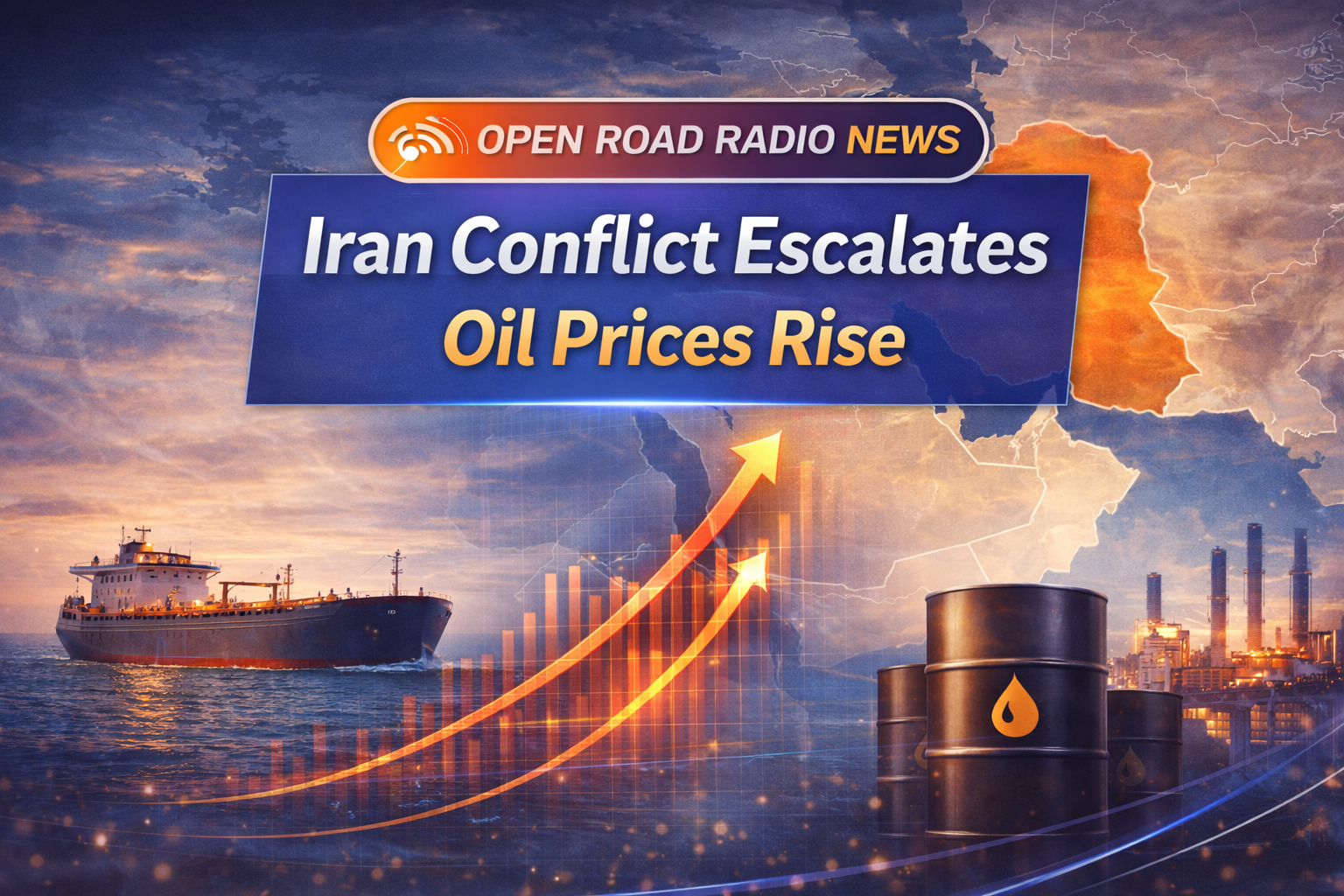
Brent crude oil prices climbed above:
$112 per barrel,
while:
WTI crude
rose beyond:
$108 per barrel.
Analysts say traders are increasingly worried about:
- instability in the Gulf region,
- possible attacks on energy infrastructure,
- and potential threats to shipping routes through the:
Strait of Hormuz.
The waterway is considered:
one of the world’s most important oil transport corridors.
Energy experts warn additional escalation could further impact:
- gasoline prices,
- fuel supply chains,
- and global transportation costs.
One oil market analyst explained:
“Even limited attacks near critical infrastructure can immediately impact global energy prices because markets react to uncertainty.”
Impact Could Reach American Drivers
The attack also comes as:
gasoline prices across the United States
remain elevated ahead of the busy summer travel season.
In:
Detroit,
average gasoline prices recently climbed near:
$5 per gallon
in parts of Metro Detroit.
Energy analysts warn prolonged instability in the Middle East could continue pushing:
- fuel prices,
- airline costs,
- shipping expenses,
-
and consumer inflation
higher in coming weeks.
Several experts say American drivers may increasingly feel the effects of:
international geopolitical conflicts
through rising energy costs.
Why Nuclear Facility Attacks Raise Global Alarm
International nuclear agencies have repeatedly warned against:
military activity near nuclear facilities.
The IAEA has previously stated attacks involving nuclear infrastructure create:
- major safety risks,
- environmental concerns,
- and escalation dangers far beyond traditional military targets.
Security experts say:
drones and asymmetric warfare
have made critical infrastructure increasingly vulnerable throughout the Middle East.
Modern energy facilities,
oil installations,
shipping routes
and even civilian infrastructure are now viewed as:
high-risk strategic targets
during regional conflicts.
U.S. Monitoring Situation Closely
The:
United States
is reportedly monitoring the situation closely alongside Gulf allies.
President:
Donald Trump
warned Iran following the incident and stated:
“The clock is ticking.”
According to multiple reports,
U.S. defense and intelligence officials are:
- reviewing military options,
- increasing regional monitoring,
- and coordinating with Gulf partners regarding infrastructure security.
Several analysts fear further escalation could increase risks involving:
- oil production,
- military confrontations,
- cyberattacks,
- and regional proxy conflicts.
Regional Tensions Continue Rising
The latest incident follows months of:
- increasing Middle East tensions,
- attacks involving drones and missiles,
- regional proxy operations,
-
and growing confrontation involving:
- Iran,
- Gulf states,
- Israel,
- and the United States.
Security experts warn:
critical infrastructure attacks
are becoming increasingly common in modern geopolitical conflicts.
One international affairs expert explained:
“The concern is no longer just military escalation. It’s the vulnerability of global energy systems and civilian infrastructure.”
Global Markets Watching Closely
International markets and governments are now closely monitoring whether:
the attack represents an isolated incident
or part of a wider escalation campaign across the Gulf region.
For now,
officials say the Barakah plant remains:
- secure,
- operational,
- and under heightened protection.
But the incident has already intensified:
- global energy concerns,
- fears surrounding nuclear infrastructure security,
- and anxiety over potential impacts on oil prices and international stability.
As tensions continue rising,
analysts warn the world may increasingly feel the economic effects of:
Middle East instability
far beyond the region itself.















































Comments (0)
No comments yet. Share the first perspective.
Sign in with a listener account to add a comment.