


The fragile diplomatic efforts aimed at reducing tensions between the United States and Iran faced another setback Sunday after President Donald Trump sharply criticized Tehran’s latest response to a proposed peace framework.
In a message posted to Truth Social, Trump described Iran’s reply as “totally unacceptable,” signaling growing frustration inside Washington as negotiations surrounding the ongoing regional conflict remain stalled.
According to multiple international reports, Iran’s response was delivered through Pakistani mediators and focused heavily on ending military pressure in the region, restoring shipping security in the Strait of Hormuz, and easing sanctions. However, the proposal reportedly failed to address several major demands pushed by the United States and its allies, particularly regarding Iran’s nuclear program and long-term regional military activity.
The latest exchange comes at a time when tensions across the Middle East remain dangerously unstable despite previous ceasefire efforts.
Oil Markets React to Growing Uncertainty
Financial markets reacted quickly to Trump’s comments.
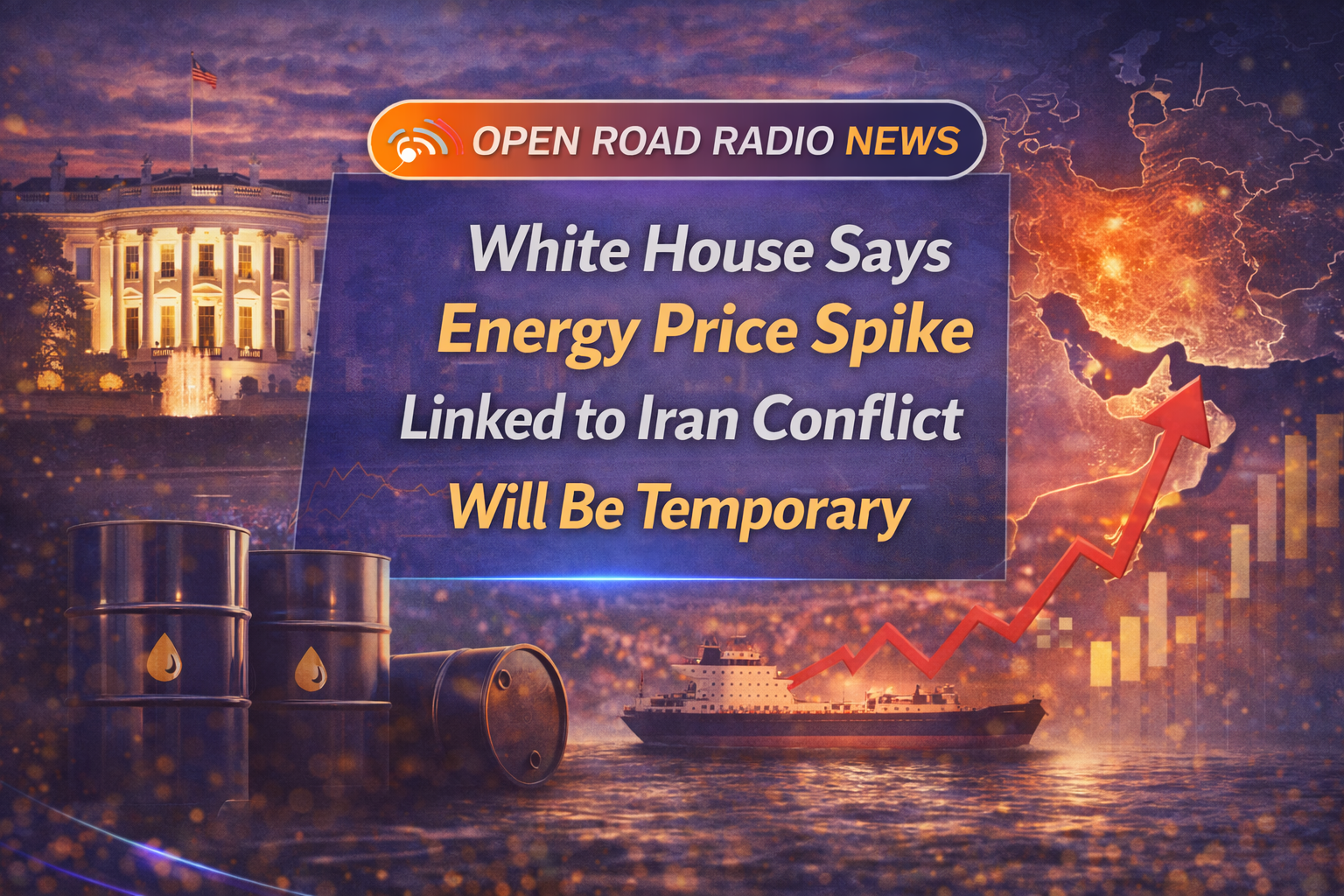
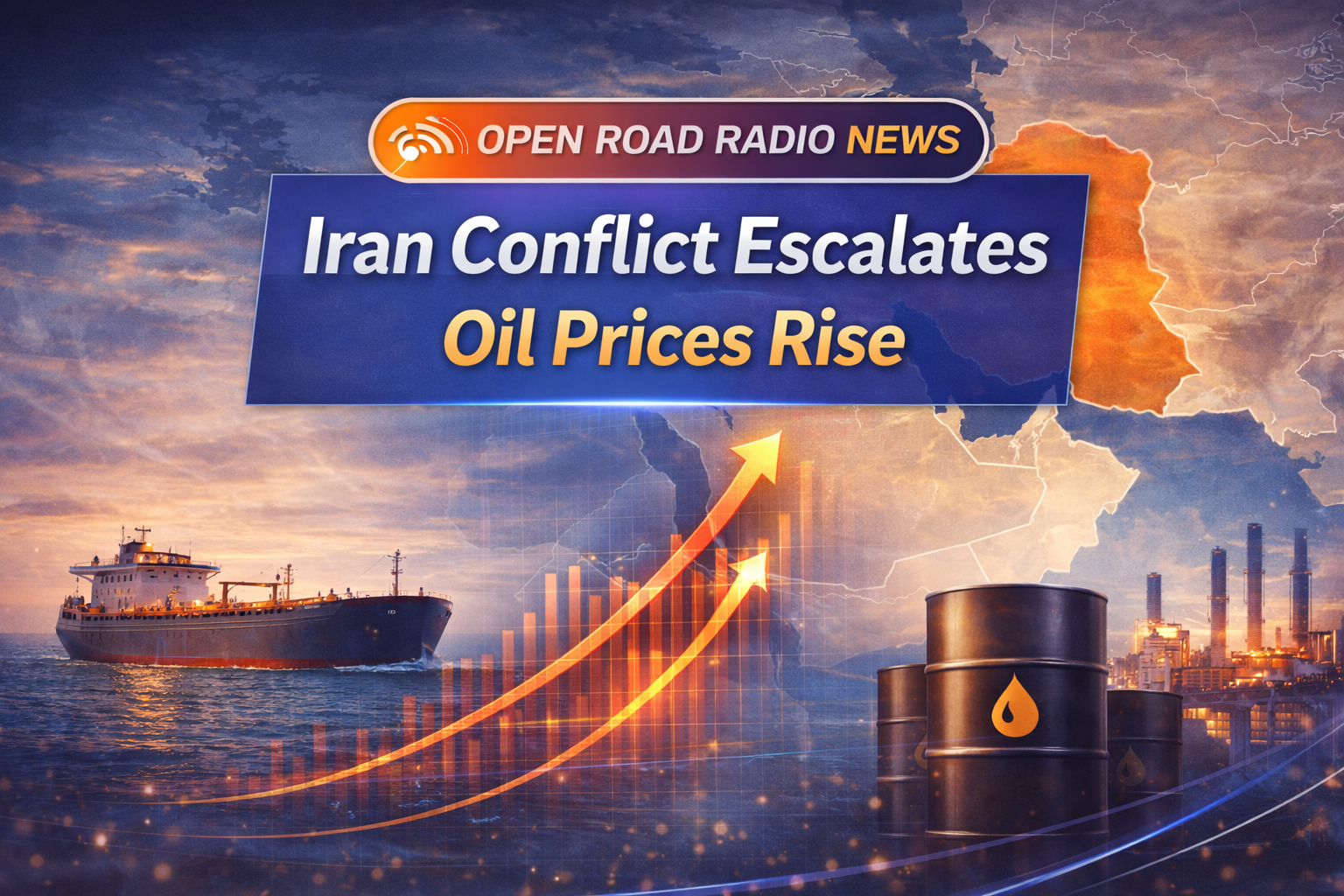
Oil prices moved higher again Sunday amid fears that instability around the Strait of Hormuz — one of the world’s most important oil shipping routes — could continue disrupting global energy markets.
Analysts warn that prolonged uncertainty in the Gulf region could:
- increase fuel prices worldwide,
- pressure global supply chains,
- raise inflation concerns,
- and create additional economic stress in both the United States and Europe.
Several reports indicate that shipping activity through the Strait remains limited and heavily monitored following months of military escalation and maritime security incidents.
Concerns Over Nuclear Negotiations Remain
While Iran reportedly signaled willingness to discuss limited uranium restrictions and possible international monitoring measures, U.S. officials and Israeli leadership continue demanding far broader concessions.
The White House has repeatedly emphasized that any long-term agreement must include significant restrictions on Iran’s nuclear capabilities, ballistic missile programs, and regional proxy operations.
Israeli officials have also maintained pressure on Washington to continue taking a hardline position during negotiations.
At the same time, diplomatic channels remain active behind the scenes, with regional mediators including Pakistan and Gulf nations attempting to prevent a broader regional escalation.
Global Economic Impact Becoming Increasingly Visible
The ongoing instability has already started affecting international markets.
Energy analysts say the conflict has:
- pushed oil prices sharply upward,
- increased shipping insurance costs,
- disrupted maritime trade routes,
- and created renewed fears of inflation spikes.
Some economists now warn that continued instability in the Gulf could further complicate the global economic recovery already weakened by inflation concerns and supply chain pressures.
In the United States, rising gasoline prices are once again becoming a growing political issue as summer travel demand increases.
Uncertain Path Forward
Despite Trump’s public rejection of Iran’s latest proposal, officials from multiple countries continue working to keep negotiations alive.
However, the situation remains highly volatile.
Military activity across the region, concerns over shipping security, and unresolved nuclear disputes continue to threaten the possibility of a lasting diplomatic breakthrough.
For now, international markets and governments remain closely focused on whether negotiations can stabilize the region — or whether tensions could escalate even further in the weeks ahead.


















































Comments (0)
No comments yet. Share the first perspective.
Sign in with a listener account to add a comment.