


What Has Been Announced?
According to officials involved in the negotiations, the agreement includes several key elements:
- The reopening of the Strait of Hormuz to international shipping
- An extension of the current ceasefire arrangement
- The lifting of U.S. naval restrictions affecting Iranian ports
- A commitment to continue negotiations regarding Iran's nuclear program over the next 60 days
While details remain limited, the announcement represents one of the most significant diplomatic developments in the region in recent months.
Both sides are expected to continue discussions in the coming weeks.
Why The Strait Of Hormuz Matters
The Strait of Hormuz is one of the most strategically important waterways in the world.
Located between Iran and Oman, the narrow passage connects the Persian Gulf with global shipping routes.
Roughly one-fifth of the world's oil and liquefied natural gas exports pass through the strait.
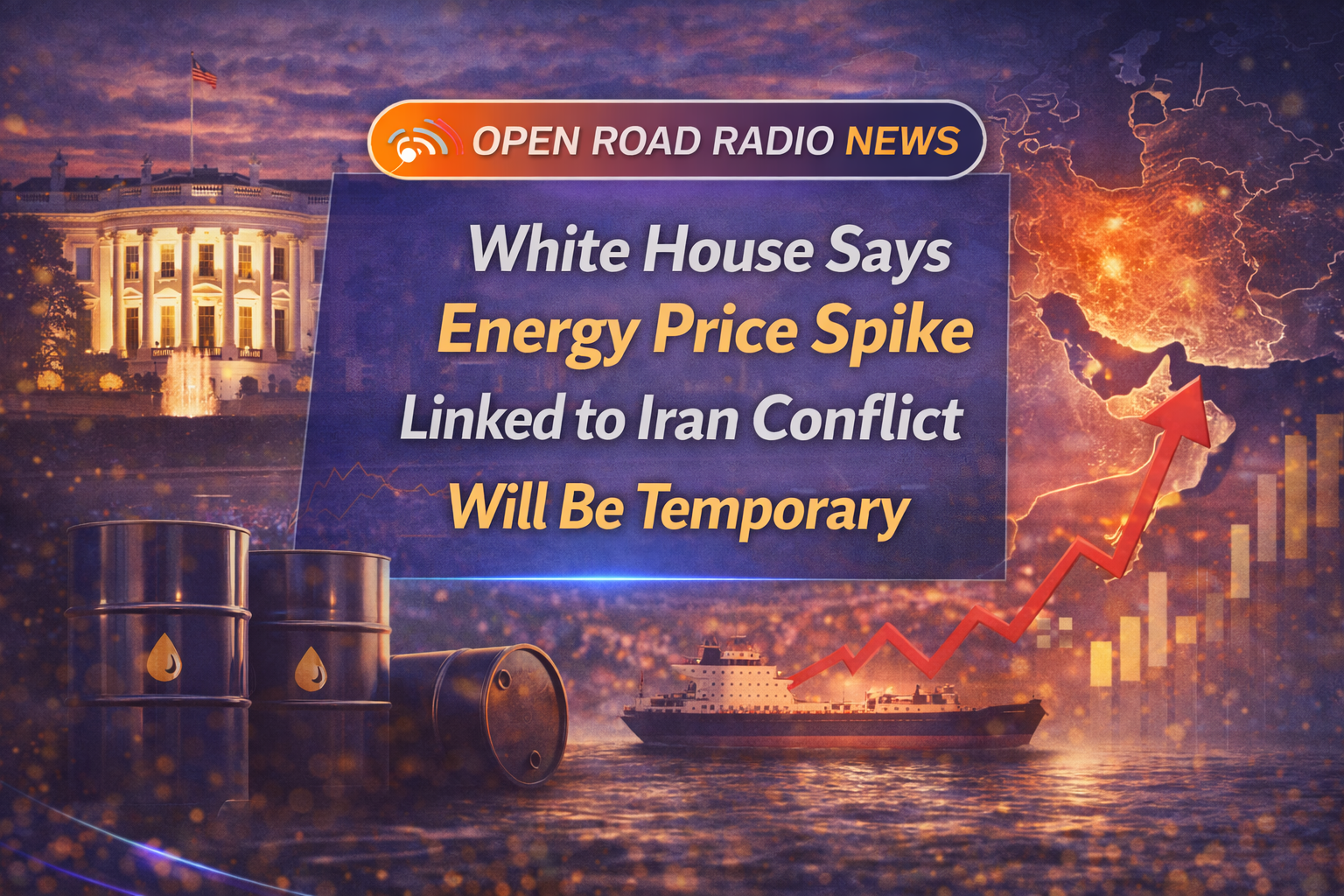
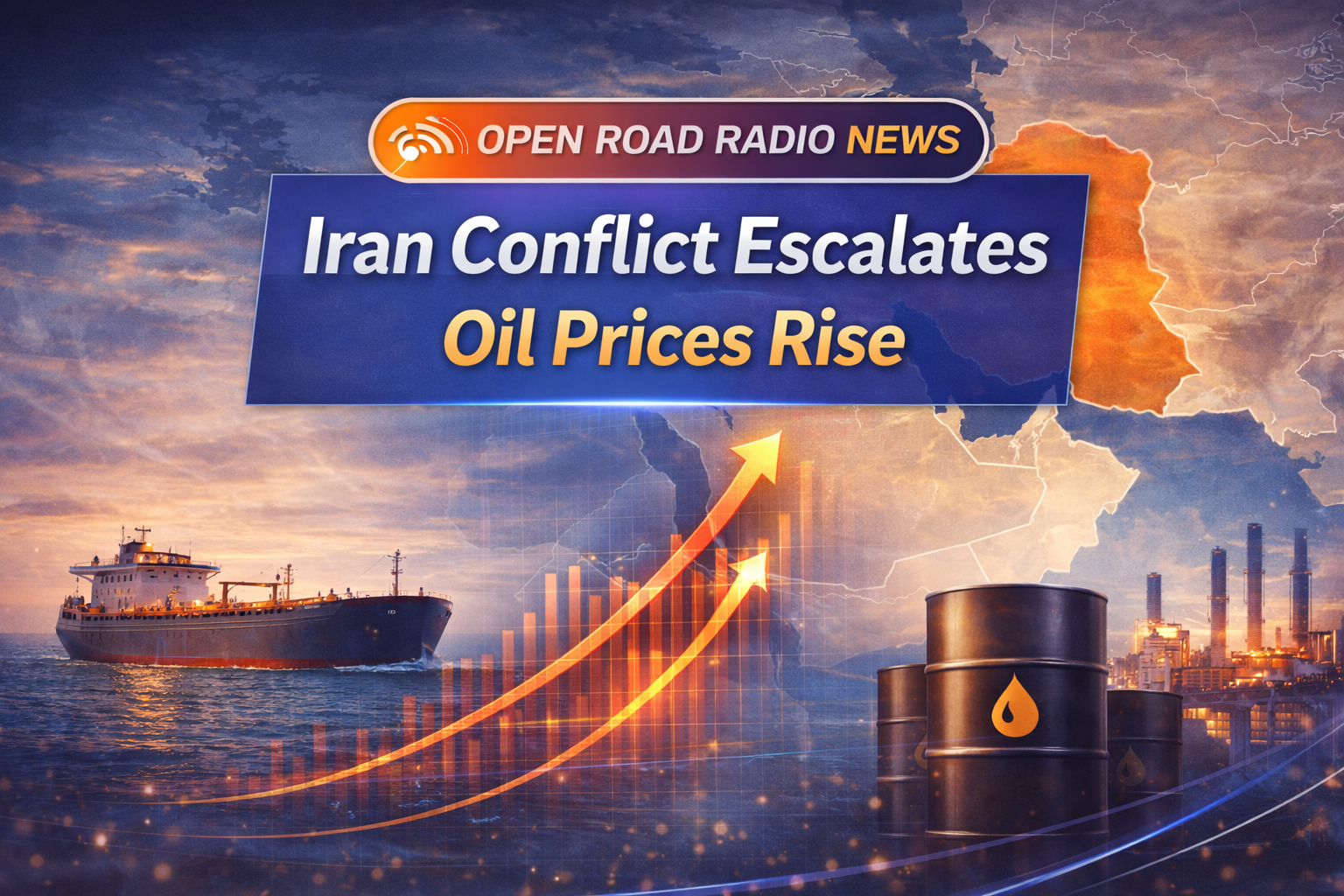
Any disruption can have immediate consequences for energy markets, transportation costs, and inflation around the globe.
Because of its importance, even the possibility of a closure had caused concern among governments, financial markets, and energy companies.
The reopening of the route is therefore being viewed as a significant step toward stabilizing global energy supplies.
Economic Impact Could Be Immediate
Energy traders and financial analysts will closely monitor markets when trading begins this week.
Many investors expect the agreement to reduce some of the risk premium that had been built into oil prices during recent tensions.
Lower energy prices could provide relief for consumers, businesses, manufacturers, and transportation companies.
For Detroit and the broader Midwest, where manufacturing remains heavily dependent on transportation and logistics networks, stable fuel prices are particularly important.
Automakers, suppliers, and freight operators all benefit when energy markets remain predictable.
A Major Moment Before The G7 Summit
The timing of the announcement is especially significant.
World leaders are arriving in France for the annual G7 Summit, where Iran and Middle East security had been expected to dominate discussions.
Instead of focusing solely on the risk of escalation, leaders may now shift their attention toward implementation of the agreement and the broader implications for regional stability.
President Trump is also likely to arrive at the summit with increased diplomatic momentum following the announcement.
Supporters are already describing the agreement as an important foreign policy achievement, while critics caution that the long-term success of the arrangement will depend on whether both sides follow through on their commitments.
Looking Ahead
While the agreement does not resolve every issue between Washington and Tehran, it may provide an opportunity to reduce tensions that had raised fears of a broader regional conflict.
Markets, governments, and military planners will now be watching closely to see whether the agreement holds and whether future negotiations can produce more lasting solutions.
For now, the reopening of the Strait of Hormuz offers a measure of stability at a time when global uncertainty remains high.
And with the G7 Summit beginning in France, the agreement is likely to become one of the most closely discussed international developments of the week.
By The Numbers
- Approximately 20% of global oil shipments pass through the Strait of Hormuz
- 60 days of additional nuclear negotiations reportedly planned
- 7 world leaders gathering for the G7 Summit in France
- Millions of barrels of oil move through the strait each day
- One of the most significant U.S.-Iran diplomatic developments in recent months















































Comments (0)
No comments yet. Share the first perspective.
Sign in with a listener account to add a comment.