


A Wayne County judge has temporarily blocked the public release of Detroit police body camera footage connected to a fatal officer-involved shooting that occurred during the city's Fourth of July fireworks celebrations. The ruling comes after defense attorneys argued that releasing the videos before trial could jeopardize the defendant's right to a fair judicial process. (reuters.com)
The decision has renewed debate over the balance between government transparency, public accountability, and protecting the integrity of criminal proceedings.
Shooting Occurred During Detroit's Fireworks Celebration
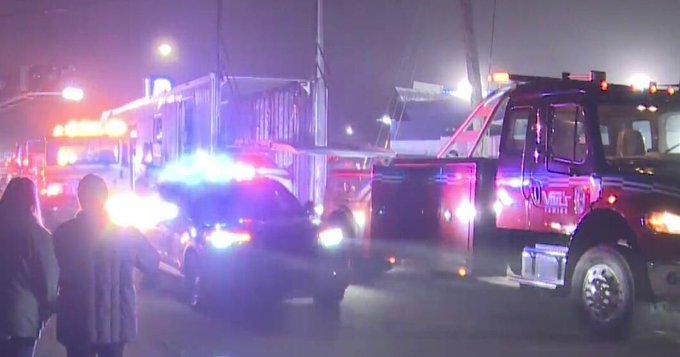
The incident took place on the night of July 3, when hundreds of thousands of people gathered in downtown Detroit for the city's annual fireworks celebration.
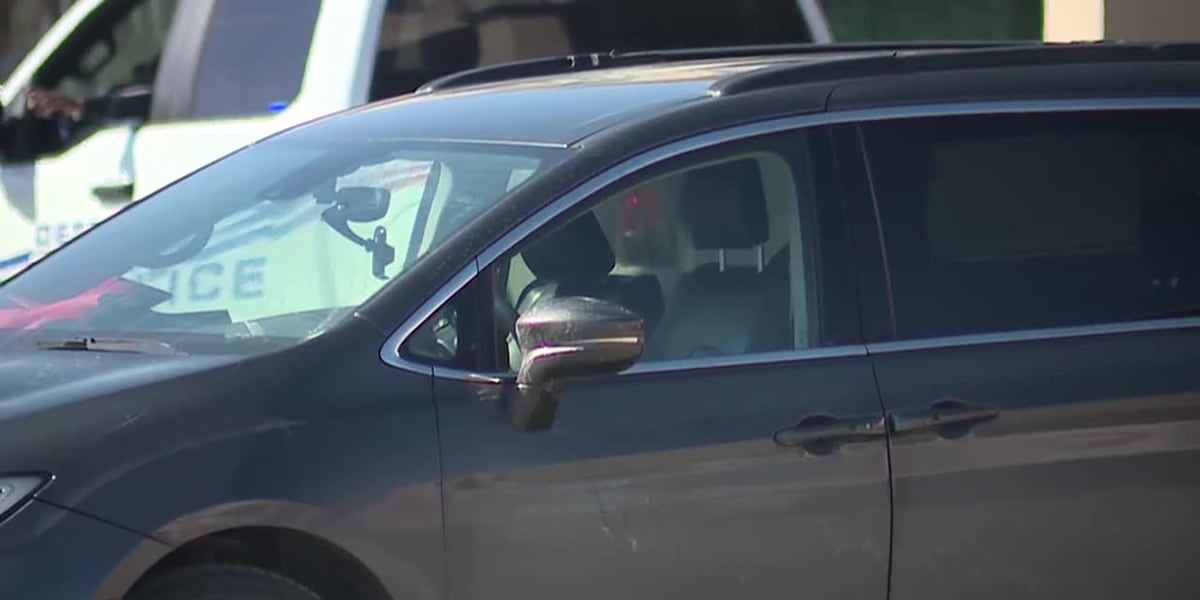
According to investigators, Detroit police officers responded to reports of an armed individual in the downtown area. During the encounter, an officer discharged their weapon, resulting in a fatal shooting. A criminal case related to the incident is now moving through the courts. (reuters.com)
The investigation remains ongoing, and officials have not released additional evidentiary material while legal proceedings continue.
Judge Temporarily Blocks Video Release
Attorneys representing the defendant requested that body-worn camera footage not be released before trial, arguing that widespread public distribution could influence potential jurors and compromise the fairness of future court proceedings.
The Wayne County judge agreed to issue a temporary restraining order, preventing the Detroit Police Department from releasing the recordings until the court can further review the matter. The order is temporary and does not determine whether the footage will ultimately become public. (reuters.com)
Transparency Versus Fair Trial
The case highlights a recurring legal question faced by courts across the United States.
Police body cameras have become an important tool for documenting officer interactions, increasing transparency, and strengthening public confidence in law enforcement.
However, courts must also ensure that criminal defendants receive a fair trial free from undue public influence.
Legal experts note that judges frequently weigh several factors when deciding whether body camera footage should be released before a trial, including:
- The defendant's constitutional right to a fair trial.
- The public's interest in government transparency.
- The impact of media coverage on jury selection.
- The evidentiary value of the recordings.
Detroit Police Continue Investigation
Detroit Police have stated that they will comply with the court's order while the legal process continues.
The department has not indicated when—or if—the footage may eventually be released, leaving that decision to the courts.
Meanwhile, investigators continue gathering evidence as prosecutors prepare for future proceedings.
Broader National Debate
The ruling reflects broader discussions taking place across the United States regarding public access to police body camera recordings.
Many states have expanded transparency laws in recent years, while others allow courts to temporarily withhold footage when active criminal cases could be affected.
Civil rights organizations generally advocate for prompt public disclosure, arguing that body camera footage promotes accountability.
Defense attorneys, meanwhile, often contend that widespread media exposure before trial risks prejudicing potential jurors.
Looking Ahead
The temporary restraining order does not end the dispute over the recordings.
Future court hearings will determine whether the footage can eventually be released before trial or whether it will remain sealed until legal proceedings conclude.
Until then, the case remains an example of the complex balance between public transparency, judicial fairness, and the rights of everyone involved in the criminal justice system.






























Comments (0)
No comments yet. Share the first perspective.
Sign in with a listener account to add a comment.