


Analysts warn historic summit could influence global stability, artificial intelligence development and the future balance of power between Washington and Beijing
U.S. President Donald Trump arrived in Beijing this week for high-level meetings with Chinese President Xi Jinping as rising instability in the Middle East, growing economic uncertainty and intensifying competition over artificial intelligence continue reshaping relations between the world’s two largest economies.
The summit is already being viewed as one of the most important U.S.-China meetings in years — not only because of trade or tariffs, but because the geopolitical environment surrounding the visit has changed dramatically since Trump’s first presidency.
Today, Washington and Beijing are navigating tensions involving:
- the ongoing Iran conflict,
- global oil prices,
- Taiwan,
- artificial intelligence,
- semiconductor restrictions,
- rare earth supply chains,
- and fears of long-term economic fragmentation.
Political analyst Ian Bremmer, founder of Eurasia Group, has repeatedly described the modern U.S.-China relationship as entering an era of:
“managed rivalry between the U.S. and China.”
That phrase increasingly reflects the reality facing both governments:
the United States and China are simultaneously:
- economic partners,
- strategic competitors,
- and global powers whose decisions now affect nearly every major international crisis.
Iran Conflict Raises Pressure on Washington and Beijing
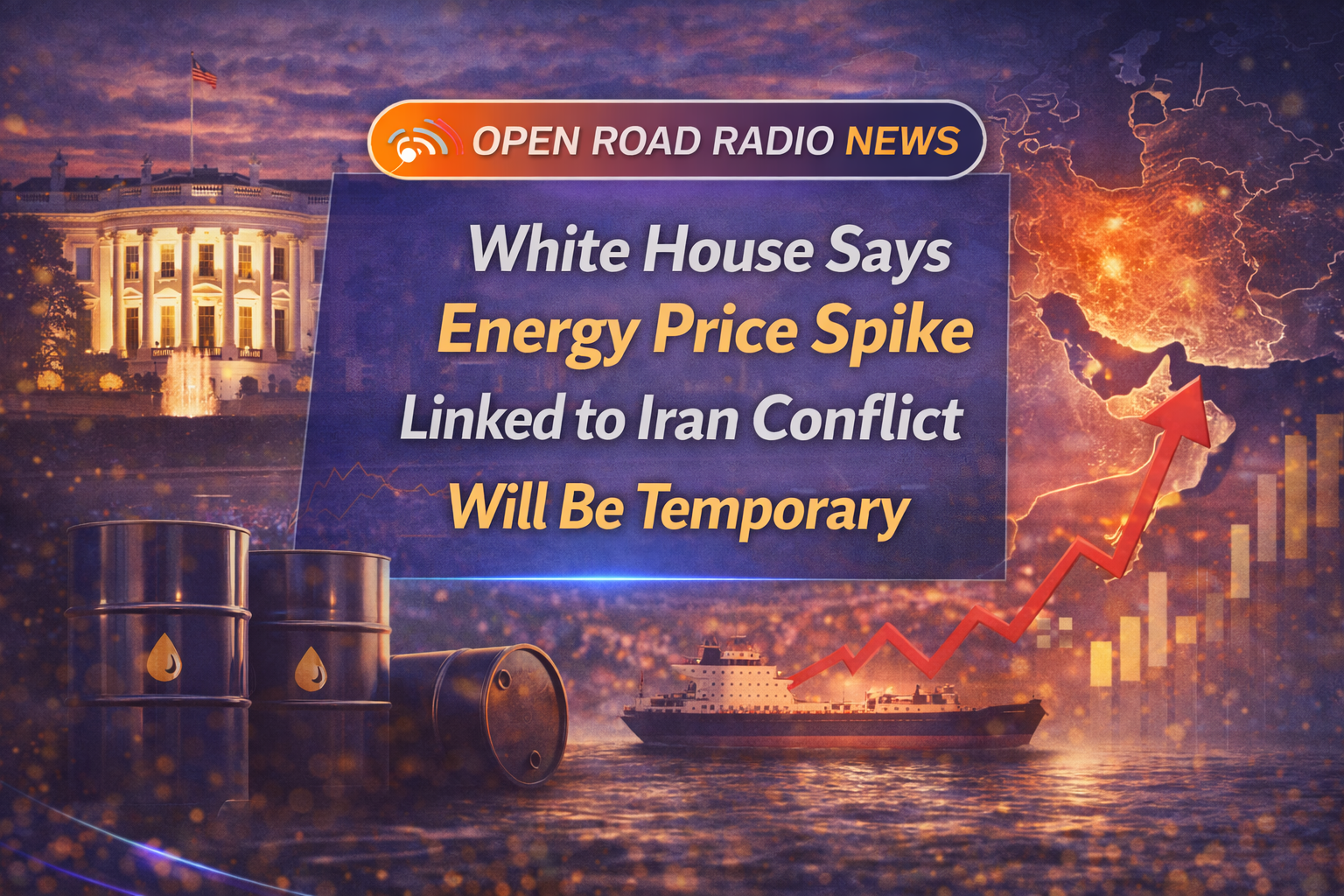
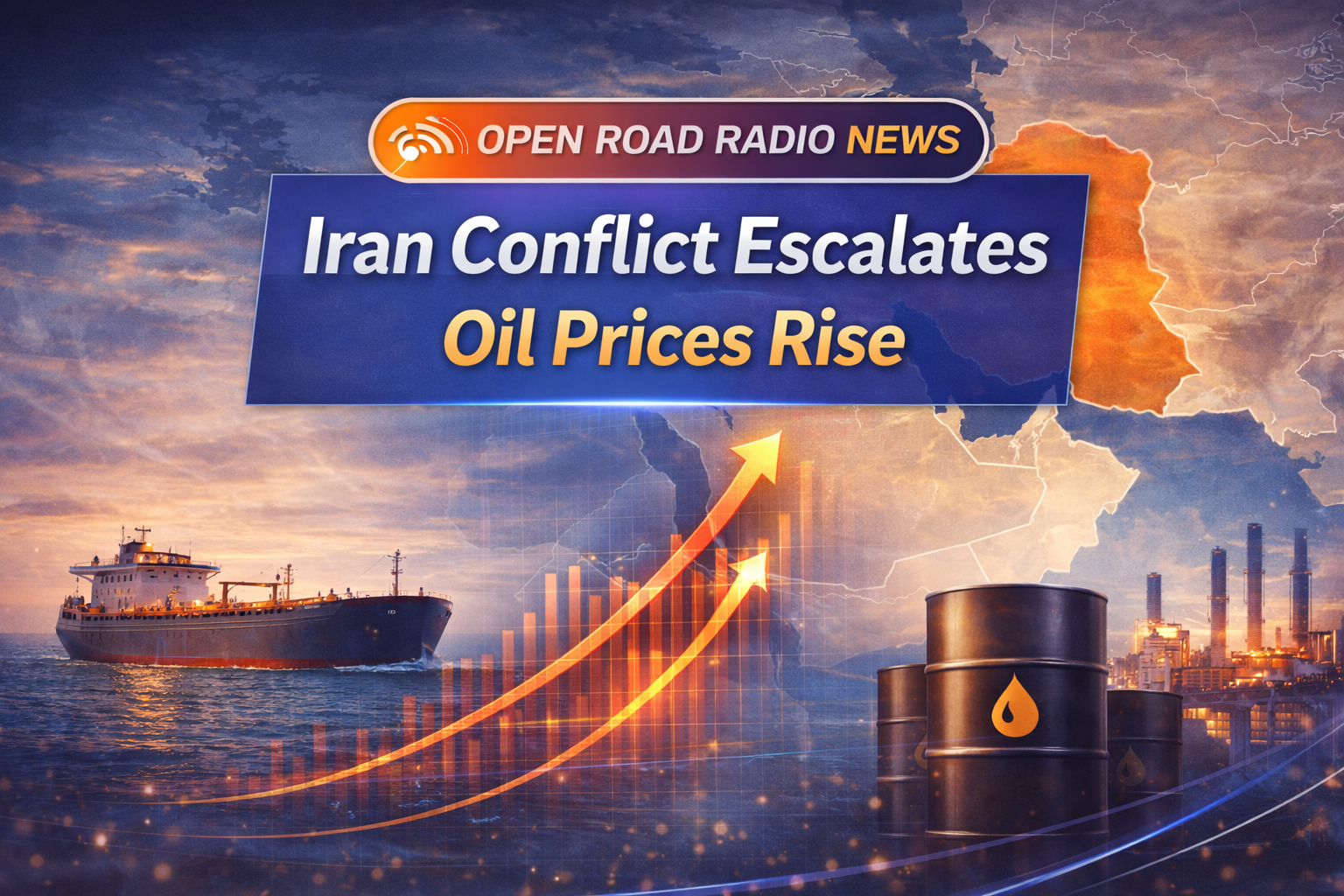
One of the central issues surrounding the Beijing summit is the ongoing Iran conflict and its impact on global energy markets.
China remains heavily dependent on Middle Eastern oil imports, while the United States continues attempting to stabilize:
- global shipping routes,
- energy prices,
- and regional security conditions.
Analysts believe Trump is hoping Beijing may use some of its economic influence with Tehran to help reduce tensions and avoid further escalation in the Gulf region.
The stakes are high.
Oil prices have remained volatile amid fears that any wider regional conflict could threaten shipping through the Strait of Hormuz — one of the world’s most important energy corridors.
European governments are also watching the summit closely.
Several European leaders have warned that continued instability involving Iran could place additional pressure on already struggling European economies facing:
- inflation,
- rising energy costs,
- industrial slowdowns,
- and declining manufacturing output.
European Commission President Ursula von der Leyen has repeatedly emphasized the growing importance of reducing strategic vulnerabilities in an increasingly unstable global environment.
“Europe must reduce strategic dependencies.”
The statement has increasingly been interpreted as referring not only to energy supplies, but also to technology, supply chains and geopolitical exposure involving both China and the Middle East.
AI and Technology Rivalry Now at the Center of Diplomacy
Unlike earlier U.S.-China summits dominated by tariffs and manufacturing disputes, this visit is increasingly focused on artificial intelligence and advanced technology competition.
Several major American business and technology leaders reportedly traveled alongside portions of the U.S. delegation, including executives connected to:
- AI development,
- semiconductor manufacturing,
- finance,
- and advanced computing industries.
Among the most closely watched figures is NVIDIA CEO Jensen Huang, whose company has become one of the most important players in the global AI boom.
Huang has repeatedly described artificial intelligence as:
“The next industrial revolution.”
The growing involvement of technology executives highlights how AI is no longer viewed simply as a business sector, but increasingly as:
- a national security issue,
- a diplomatic issue,
- and a strategic economic issue.
Both Washington and Beijing are aggressively competing over:
- semiconductor production,
- AI infrastructure,
- rare earth resources,
- and technological influence.
At the same time, both countries remain deeply economically interconnected.
OpenAI CEO Sam Altman has previously warned that advanced artificial intelligence may ultimately require:
“global cooperation on advanced AI.”
That challenge now sits directly at the center of growing geopolitical rivalry between both superpowers.
Taiwan Continues to Loom Over the Summit
Taiwan remains one of the most sensitive issues in U.S.-China relations.
China continues viewing Taiwan as part of its territory, while the United States maintains strategic commitments supporting Taiwan’s self-defense capabilities.
Analysts believe Trump may attempt a more cautious diplomatic tone during the Beijing meetings in order to avoid additional escalation while simultaneously maintaining U.S. influence in the Indo-Pacific region.
The issue carries enormous global significance because Taiwan plays a critical role in semiconductor production and global technology supply chains.
Any major confrontation involving Taiwan could severely affect:
- electronics manufacturing,
- shipping routes,
- AI development,
- and international trade.
Harvard political scientist Graham Allison — known for his work on great power competition — has repeatedly warned about the long-term risks surrounding U.S.-China relations.
“The defining question of this century may be whether the United States and China can avoid direct conflict.”
That warning has increasingly gained attention as military, technological and economic tensions continue rising between both countries.
Europe Concerned About Economic Fallout
European financial leaders are also closely monitoring the summit.
European Central Bank President Christine Lagarde has warned that:
“Geopolitical fragmentation poses a serious economic risk.”
That concern has become increasingly relevant as:
- wars,
- sanctions,
- trade restrictions,
-
and global political tensions
continue affecting international markets.
Germany in particular remains vulnerable because of its export-focused industrial economy and dependence on stable global supply chains.
Several German economic analysts have recently warned that prolonged instability involving:
- China,
- Iran,
- shipping routes,
-
and energy prices
could place additional pressure on Europe’s manufacturing sector.
Historic Context Behind the Summit
Historically, relations between Washington and Beijing have shifted dramatically over the past half century.
Following decades of Cold War tensions and limited contact, relations between both countries improved significantly during the 1970s as diplomatic ties gradually expanded.
Former U.S. Secretary of State Henry Kissinger played one of the most important roles in opening relations between the United States and China during that period.
Kissinger once argued:
“Cooperation between the United States and China is not a choice — it is a necessity.”
For decades, economic cooperation between both countries helped fuel:
- globalization,
- manufacturing growth,
- lower consumer prices,
- and expanding global trade.
But tensions steadily increased over:
- trade imbalances,
- intellectual property,
- military expansion,
- cybersecurity,
- and technological competition.
Trump’s first presidency marked one of the most aggressive shifts in modern U.S. policy toward China through tariffs and economic pressure campaigns.
Now, during his current presidency, the relationship has evolved far beyond trade alone.
The Beijing summit is taking place in a world increasingly shaped by:
- geopolitical instability,
- AI competition,
- energy security,
- strategic supply chains,
- and uncertainty over the future balance of global power.
A Summit With Global Consequences
Financial markets, allies and international governments continue watching the summit closely.
Investors are monitoring:
- oil prices,
- semiconductor restrictions,
- AI policy,
- rare earth supply chains,
-
and trade stability
for signs of either cooperation or further confrontation between both governments.
For now, both Washington and Beijing are publicly emphasizing stability and communication.
But analysts increasingly believe the summit represents something much larger than a standard diplomatic meeting.
It reflects the reality that the future relationship between the United States and China may shape:
- global markets,
- technological development,
- military stability,
- energy security,
-
and international diplomacy
for decades to come.
And as the meetings continue in Beijing, much of the world is watching to see whether the summit produces cooperation, confrontation — or simply a temporary pause in an increasingly competitive global era.















































Comments (0)
No comments yet. Share the first perspective.
Sign in with a listener account to add a comment.