

Rising tourism, packed public spaces and major summer events highlight how dramatically Detroit’s downtown has changed over the past two decades
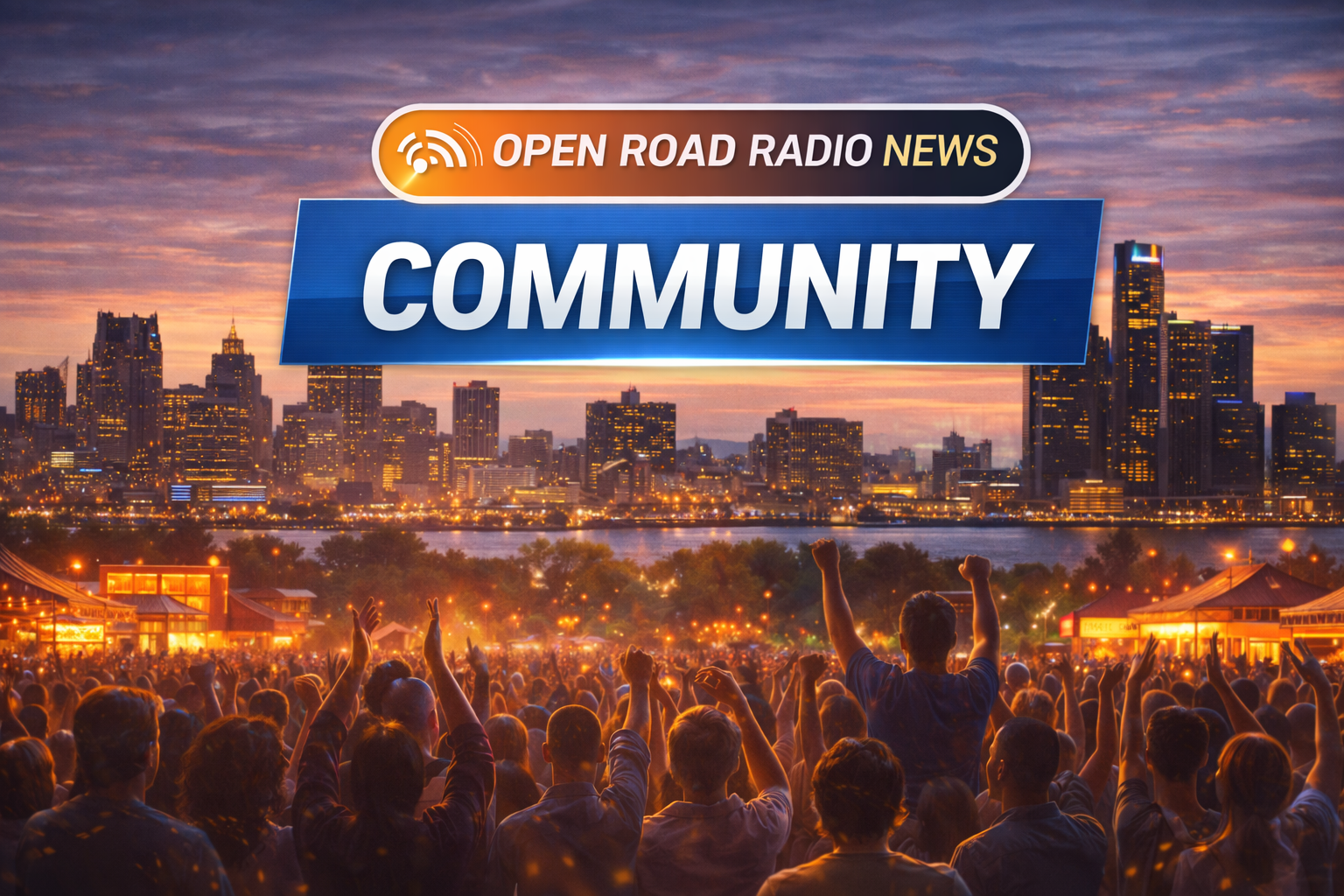
Downtown Detroit is experiencing one of its strongest starts to the summer season in years as rising visitor numbers, major public events and growing activity across entertainment districts continue fueling optimism about the city’s long-term recovery and redevelopment.
From the Detroit Riverwalk and Campus Martius Park to restaurants, hotels and sports venues, residents and visitors are increasingly returning downtown for:
- festivals,
- concerts,
- sporting events,
- nightlife,
- and outdoor community activities.
City officials and business leaders say the growing momentum reflects years of investment and redevelopment efforts that have gradually transformed downtown Detroit from an area once heavily associated with vacancy and decline into one of the Midwest’s most active urban centers during the summer months.
Detroit Mayor Mary Sheffield recently emphasized the importance of continuing investment in public spaces and community-focused development.
“Detroit’s momentum is being built block by block through investment, community partnerships and public spaces that bring people together.”
A Very Different Downtown Than 20 Years Ago
For longtime Detroit residents, the current atmosphere downtown represents a dramatic contrast compared to conditions during the early 2000s.
At that time, large portions of downtown Detroit often emptied after business hours.
Vacant storefronts, abandoned buildings and limited nightlife contributed to an atmosphere very different from the busy public spaces visitors experience today.
Decades of industrial decline, manufacturing losses and population decline had left many areas struggling economically.
Detroit lost more than:
1 million residents
between its population peak in the 1950s and the early 21st century.
The city’s financial struggles eventually culminated in:
Detroit’s historic 2013 municipal bankruptcy
which became the largest municipal bankruptcy filing in U.S. history.
At the time, many national headlines focused heavily on:
- abandoned buildings,
- economic collapse,
- crime,
- and urban decline.
But over the past two decades, large portions of downtown Detroit have undergone significant redevelopment through a combination of:
- public investment,
- private development,
- philanthropy,
- and community revitalization projects.
Riverwalk and Campus Martius Become Symbols of Detroit’s Recovery
Two of the clearest examples of Detroit’s transformation are:
- the Detroit Riverwalk,
- and Campus Martius Park.
The Detroit Riverwalk now stretches more than:
5.5 miles
along the Detroit River and has repeatedly been ranked among the top riverwalks in the United States.
Areas that were once dominated by:
- industrial sites,
- vacant lots,
- parking areas,
-
and restricted waterfront access
have gradually been transformed into: - parks,
- walking paths,
- bike trails,
- restaurants,
- event spaces,
- and public gathering areas.
Warm weather weekends are now drawing large crowds of:
- runners,
- cyclists,
- tourists,
-
and families
to the waterfront.
Meanwhile, Campus Martius has become one of downtown Detroit’s busiest gathering spaces with:
- outdoor dining,
- live music,
- public events,
-
and seasonal entertainment
bringing constant pedestrian traffic into the city center.
Downtown Detroit Partnership officials say several recent weekends approached:
pre-pandemic activity levels
particularly during sporting events and evening entertainment hours.
Major Summer Events Driving Downtown Activity
Detroit’s expanding summer event calendar is also helping fuel the city’s growing downtown energy.
Major upcoming and ongoing events include:
- Detroit Tigers home games at Comerica Park,
- Movement Electronic Music Festival,
- Detroit Grand Prix summer activities,
- Riverfront concerts,
- cultural festivals,
- and multiple outdoor community events.
The annual Movement Festival alone typically attracts:
tens of thousands of visitors
from across the United States and internationally.
Hotels and restaurants throughout the downtown core are already reporting strong booking activity tied to:
- concerts,
- conventions,
- sporting events,
- and tourism traffic.
One downtown restaurant owner described the current atmosphere as:
“The busiest start to summer we’ve seen in years.”
Another local resident said:
“You can actually feel the city moving again.”
Detroit Expanding Beyond Its Industrial Identity
For decades, Detroit was primarily known internationally as:
Motor City
because of its deep connection to the American automobile industry.
Today, city leaders are increasingly attempting to expand Detroit’s identity beyond manufacturing alone.
Areas including:
- Corktown,
- Midtown,
- Eastern Market,
-
and the downtown entertainment district
have all seen major redevelopment projects involving: - technology,
- mobility innovation,
- housing,
- tourism,
- entertainment,
- and public recreation.
One of the largest ongoing redevelopment efforts remains the continued transformation surrounding:
Michigan Central Station
where mobility, technology and innovation projects continue attracting national attention.
Analysts estimate billions of dollars in combined public and private investment have flowed into Detroit redevelopment projects over the past twenty years.
Community Programs and Public Spaces Help Shape New Image
Community leaders say Detroit’s changing image is also being driven by expanded public programming and community activities.
Programs connected to:
- Midnight Basketball,
- Occupy the Summer,
- youth recreation initiatives,
-
and family-focused events
continue drawing residents from across Metro Detroit into the downtown area.
Several residents interviewed during recent Riverwalk events described a noticeably different atmosphere compared to previous decades.
“It feels alive again,” one resident said near the waterfront.
“You see families, music, tourists, people exercising — it feels like Detroit is proud of itself again.”
Challenges Still Remain
Despite the growing momentum, Detroit officials acknowledge the city still faces major long-term challenges involving:
- infrastructure,
- public transportation,
- economic inequality,
- and uneven neighborhood investment outside the downtown core.
Some community advocates have also warned that continued redevelopment must eventually benefit neighborhoods across the entire city — not only major tourism and entertainment districts.
Still, many analysts believe Detroit’s growing downtown activity reflects a city continuing to rebuild both economically and culturally after decades of decline.
A New National Image of Detroit
For many residents, the current summer atmosphere downtown represents more than tourism or entertainment.
It reflects a broader shift in how Detroit is increasingly viewed nationally.
Over the past twenty years, Detroit has gradually transformed from a city frequently associated with:
- industrial collapse,
- population loss,
- and urban decline
into a city more commonly connected with:
- redevelopment,
- culture,
- sports,
- music,
- public spaces,
- and urban recovery.
The growing popularity of destinations like:
- the Detroit Riverwalk,
- Campus Martius,
- Eastern Market,
-
and Corktown
continues helping reshape how both residents and visitors experience Detroit itself.
And as summer activity continues building across downtown Detroit, many residents believe the city’s recovery story is no longer just about rebuilding structures — but rebuilding confidence, identity and community as well.









































Comments (0)
No comments yet. Share the first perspective.
Sign in with a listener account to add a comment.