


Strong overnight thunderstorms bring down trees, damage power lines and trigger outages across Southeast Michigan
Thousands of residents across:
Detroit
and surrounding Metro Detroit communities were left without electricity overnight after:
powerful thunderstorms
moved across Southeast Michigan,
bringing:
- heavy rain,
- strong wind gusts,
- lightning,
- and localized flooding.
According to local utility and emergency reports,
the storms impacted parts of:
- Wayne County,
- Oakland County,
- Macomb County,
- and Downriver communities.
Officials said:
thousands of homes and businesses
experienced temporary power outages as crews worked through the night to restore service.
High Winds Cause Tree And Power Line Damage
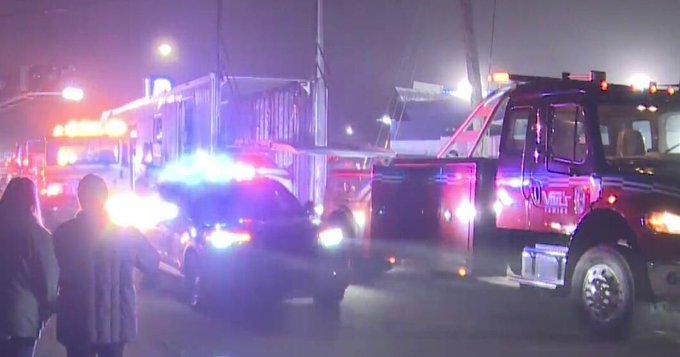
Emergency responders reported:
- fallen trees,
- damaged utility poles,
- blocked roads,
-
and downed power lines
throughout several neighborhoods.
In some areas,
strong wind gusts reportedly caused:
significant localized infrastructure damage.
Several roads were temporarily closed overnight due to:
- debris,
- flooding,
- and unsafe electrical conditions.
Utility crews from:
DTE Energy
were deployed across the region as outage restoration efforts continued into the early morning hours.
One Metro Detroit resident said:
“The storm moved through extremely fast, but the wind was intense. We heard transformers exploding nearby.”
Thousands Without Electricity
Power outage maps showed:
large outage clusters
in parts of Metro Detroit during the overnight hours.
While many customers had electricity restored by Tuesday morning,
utility officials confirmed:
some localized outages
remained active in areas impacted by:
- fallen trees,
- damaged transformers,
- and downed overhead power lines.
The:
DTE Energy
stated crews continued working:
around the clock
to restore service in the hardest-hit neighborhoods.
In a public statement,
DTE said:
“Our crews are working as safely and quickly as possible to restore power to impacted customers across Southeast Michigan.”
The company also urged residents to:
- avoid downed lines,
- report hazards immediately,
- and remain cautious near damaged infrastructure.
Several neighborhoods additionally reported:
- flickering power,
- internet disruptions,
- and traffic signal failures.
Residents were urged to:
- avoid downed power lines,
- use generators safely,
- and report hazardous conditions immediately.
Flooding And Street Closures Reported
Heavy rainfall additionally caused:
minor flooding
in low-lying areas and near major roadways.
Drivers reported standing water in portions of:
- I-94 service areas,
- local intersections,
- and residential streets.
Emergency officials advised motorists to:
avoid flooded roads
during overnight and early morning travel.
Several local communities also opened:
- temporary warming or cooling locations,
-
and emergency support services
for residents impacted by prolonged outages.
Aging Infrastructure Debate Grows After Storm Outages
The latest outages also renewed growing debate surrounding:
Michigan’s aging electrical infrastructure.
Many residents and infrastructure experts say repeated weather-related outages are increasing frustration over:
the region’s heavy reliance on overhead power systems.
Large portions of Metro Detroit still depend on:
above-ground electrical lines
that remain vulnerable to:
- strong winds,
- falling tree limbs,
- lightning strikes,
- and severe storms.
Critics argue the system has struggled for years during:
- thunderstorms,
- ice storms,
- and summer weather events.
One Oakland County resident said:
“Every major storm seems to knock power out somewhere. People are starting to wonder how reliable the grid really is anymore.”
Another resident in Wayne County explained:
“You lose power long enough and suddenly traffic lights, internet and even basic daily life become problems.”
Officials Continue Debating Grid Modernization
Michigan officials and utility regulators have repeatedly discussed:
- underground power lines,
- infrastructure modernization,
- tree-trimming programs,
- and long-term grid resilience planning.
Several local leaders have previously called for:
stronger infrastructure investment
as severe weather events become more frequent.
One regional infrastructure analyst stated:
“Storm intensity is increasing while much of the electrical grid was designed decades ago under very different conditions.”
Energy experts say underground systems can significantly reduce weather-related outages,
though they are also:
- expensive,
- difficult to expand in older cities,
- and time-consuming to build.
Rising Energy Demand Adding Pressure
The debate comes at a time when:
electricity demand across Michigan
is also expected to increase significantly over coming years due to:
- EV manufacturing,
- battery plants,
- AI infrastructure,
- industrial expansion,
- and growing summer cooling demand.
Several analysts warn:
modernization of the electrical grid
may become increasingly important not only for reliability,
but also for:
- economic growth,
- public safety,
- and future energy stability.
One energy policy expert explained:
“The future economy depends heavily on reliable electricity. Outages are no longer just an inconvenience — they affect transportation, communications and business operations.”
Weather Service Monitoring Additional Storm Activity
Meteorologists say additional:
storm activity
could remain possible during the broader spring and early summer weather pattern.
The:
National Weather Service
continues monitoring:
- thunderstorms,
- heavy rainfall,
- lightning activity,
-
and potential severe weather conditions
across parts of Michigan.
Residents are encouraged to:
- monitor local forecasts,
- charge devices,
- prepare emergency supplies,
- and remain alert for changing weather conditions.
Residents Frustrated By Repeated Outages
For many Metro Detroit residents,
the storms served as:
another reminder
of how vulnerable critical infrastructure can become during severe weather.
Several businesses reported:
- temporary closures,
- internet disruptions,
- damaged refrigeration systems,
- and operational delays overnight.
Traffic signals also failed in some intersections during the outages,
causing additional congestion and safety concerns.
One Detroit-area resident summarized local frustration by saying:
“People understand storms happen. The concern is how often the system still struggles afterward.”
Cleanup And Restoration Efforts Continue
Utility crews,
local emergency responders
and public works teams continue cleanup and restoration efforts throughout affected communities.
Officials say residents should continue:
- monitoring local alerts,
- reporting damaged lines,
- and preparing for possible additional storms during the broader spring and summer severe weather season.
While power restoration continues,
the latest outages are once again fueling broader discussion over:
how prepared Metro Detroit’s infrastructure is
for increasingly severe weather events in the future.



















































Comments (0)
No comments yet. Share the first perspective.
Sign in with a listener account to add a comment.